
Unlock the Benefits of Drone Photography for Construction Projects

Drone photography is revolutionizing the construction industry. By offering a fresh perspective and advanced monitoring capabilities, drones provide unique advantages for managing construction projects. This shift not only improves efficiency but also enhances safety and communication among stakeholders.
Advantages of Drone Site Monitoring
Drone site monitoring can make a significant difference in how construction projects are executed. Drones capture stunning aerial images and videos, allowing project managers to visualize the site from an entirely new angle. With high-resolution cameras mounted on drones, both progress and potential issues can be documented easily.
For example, using drones to survey construction sites results in a 90% reduction in the time it takes to complete traditional surveys. Whether tracking the progress of a building, measuring stockpiles, or inspecting roofs, drone photography offers unparalleled accuracy. Additionally, these aerial images can be shared instantly with teams across the globe, fostering better communication.

Enhanced Safety Protocols
Safety is a top priority in construction. Drone photography offers significant benefits for ensuring safety on construction sites. Drones can fly into hazardous areas without risking worker safety. Instead of sending workers into potentially dangerous situations, drones can be utilized for inspections.
For instance, drones can be employed to examine tall structures like cranes or scaffolding. This reduces the need for harnesses and lifts, minimizing potential accidents. A study revealed that using drones for inspections can reduce site-related injuries by 30%. This not only protects workers but can also save companies money on insurance and liability claims.
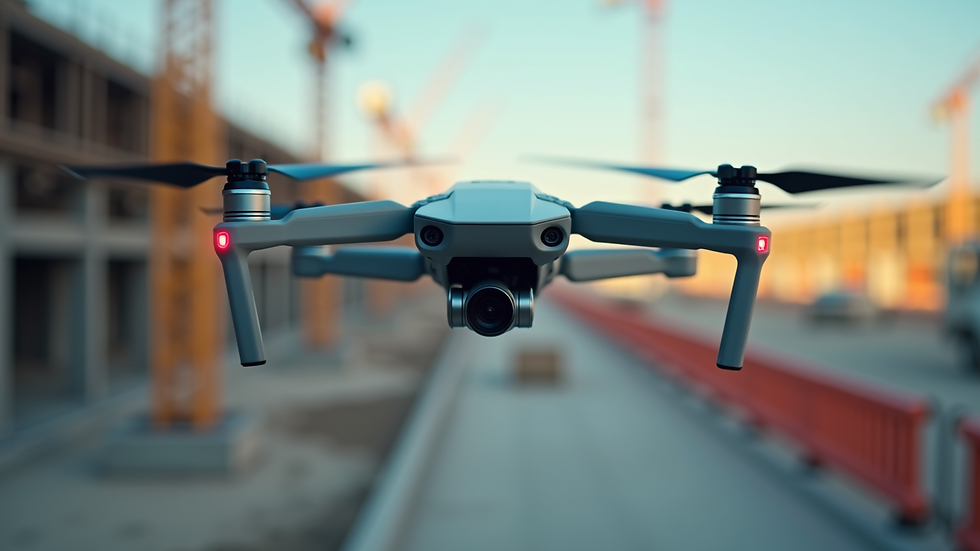
How much does a construction drone cost?
When considering the implementation of drone photography, one of the common questions raised is about the cost of construction drones. The price of a construction drone can range from a few hundred to several thousand dollars, depending on the specific features and equipment.
Basic models suitable for simple site surveys might cost around $500. However, high-end drones with advanced imaging capabilities, longer flight times, and integrated GPS technology can exceed $10,000. Additionally, it's essential to factor in maintenance costs, software for processing data, and certification for drone operators.
Investing in a quality drone can yield high returns in efficiency and site management. For construction companies, the savings achieved in time and labor often outweigh the initial costs of purchasing and operating a drone.
Improved Project Documentation
Another crucial benefit of drone photography is its role in project documentation. With the ability to capture detailed images and videos at various stages of construction, drones assist in maintaining a comprehensive, visual record of the project.
This documentation is vital for both current and future projects. With the push for transparency in the construction industry, having visual records can help resolve disputes and provide clear evidence when needed. Furthermore, stakeholders can easily track milestones and overall progress throughout the project via aerial images.
Moreover, this ongoing documentation can be beneficial for future reference. Archive footage can help during planning and execution of similar projects, allowing teams to learn from past experiences. By using drones for construction drone photography, companies can streamline their documentation processes and create a reliable database of past projects.
Environmental Monitoring
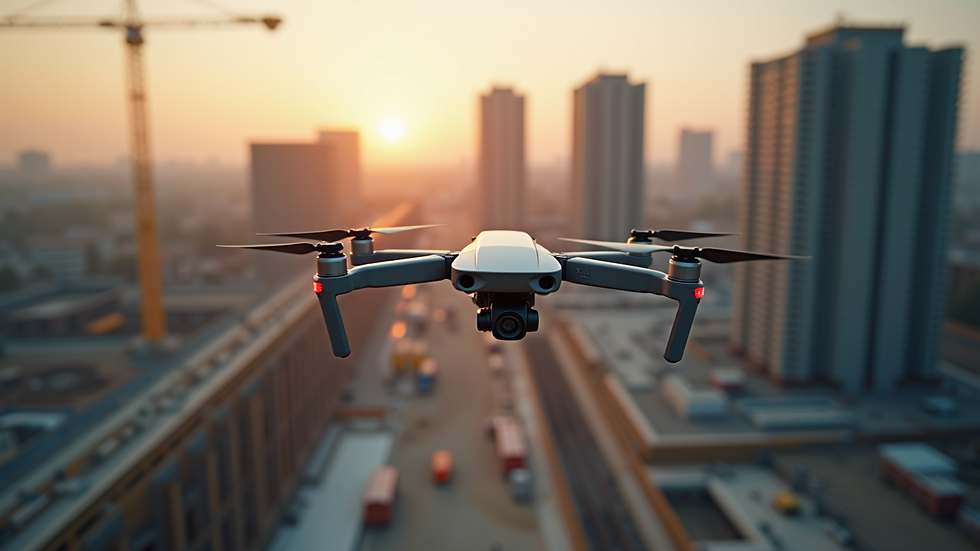
Drones can also play a significant role in monitoring environmental impacts related to construction. Construction activities often disrupt local ecosystems, leading to erosion, habitat destruction, and more. Drones provide a way to monitor these changes over time, helping project managers ensure compliance with environmental regulations.
Regular aerial surveys can help highlight areas where vegetation needs protection or where erosion control measures must be implemented. This proactive approach contributes to better project planning and environmental sustainability.
Furthermore, regulatory bodies increasingly require construction companies to demonstrate their environmental stewardship. Drones can produce compelling visual narratives that document compliance with these requirements, showing stakeholders and the public the measures taken to protect the environment.
Real-Time Data Collection and Analysis
One of the most significant advantages of using drones is their ability to collect and analyze real-time data. Drones equipped with advanced sensors and software can gather crucial information about site topography, inventory levels, and even weather conditions.
This data can be integrated into project management software, providing teams with real-time insights. For example, mapping software allows managers to visualize site progress versus planned timelines automatically. This capability is invaluable for staying on schedule and on budget.
Additionally, the ability to access this data remotely allows project managers and stakeholders to make informed decisions quickly. This responsiveness can lead to reduced downtime and enable teams to address potential issues before they escalate.
A New Perspective for Collaboration
Drones enhance collaboration among stakeholders by offering a new perspective on construction project progress. The aerial views captured by drones facilitate discussions during meetings, helping teams visualize site conditions more effectively.
Involving clients in this process is invaluable. Stakeholders can access aerial footage and updates, giving them a clearer understanding of project developments. This transparency builds trust and enhances relationships.
Moreover, drone footage can be a powerful marketing tool, showcasing completed projects in a way that traditional photography cannot. Aerial videos can be particularly effective in engaging potential clients and investors.
Harnessing the Future of Drone Photography
As technology continues to advance, the applications of drone photography in construction will only expand. Innovations such as artificial intelligence and machine learning are paving the way for even more efficient data analysis and project management capabilities.
Staying ahead in the competitive construction industry means embracing these tools. Investing in drone technology today will position companies for future success. Not only will they improve current project workflows, but they will also be better prepared for the next generation of construction challenges.
In summary, integrating drone photography into construction projects can unlock a plethora of benefits. From enhancing safety protocols to improving documentation and collaboration, drones are quickly becoming an essential tool in the construction toolbox. Embracing this technology means positioning your company at the forefront of the industry, equipped to tackle any challenge the future may hold.


Comments