Why Drones Are Transforming Landscape Photography: Exploring New Heights with Drones for Landscape Photography
- John J

- Feb 10
- 4 min read
Landscape photography has always been about capturing the beauty of nature from unique perspectives. Traditionally, photographers relied on ground-level shots or climbed to high vantage points to get the perfect view. However, the rise of drone technology has revolutionized this art form. Drones for landscape photography offer new possibilities that were once difficult or impossible to achieve. This article explores why drones are transforming landscape photography and how they are reshaping the way photographers capture the world around us.
The Rise of Drones for Landscape Photography
Drones have become increasingly accessible and affordable in recent years. This accessibility has opened the door for photographers to experiment with aerial shots without the need for expensive helicopters or planes. Drones equipped with high-resolution cameras can fly over landscapes, capturing images from angles that were previously out of reach.
One of the key advantages of drones is their ability to hover steadily at various altitudes. This stability allows photographers to compose shots carefully and capture sharp, detailed images. Additionally, drones can cover large areas quickly, making it easier to scout locations and find the best compositions.
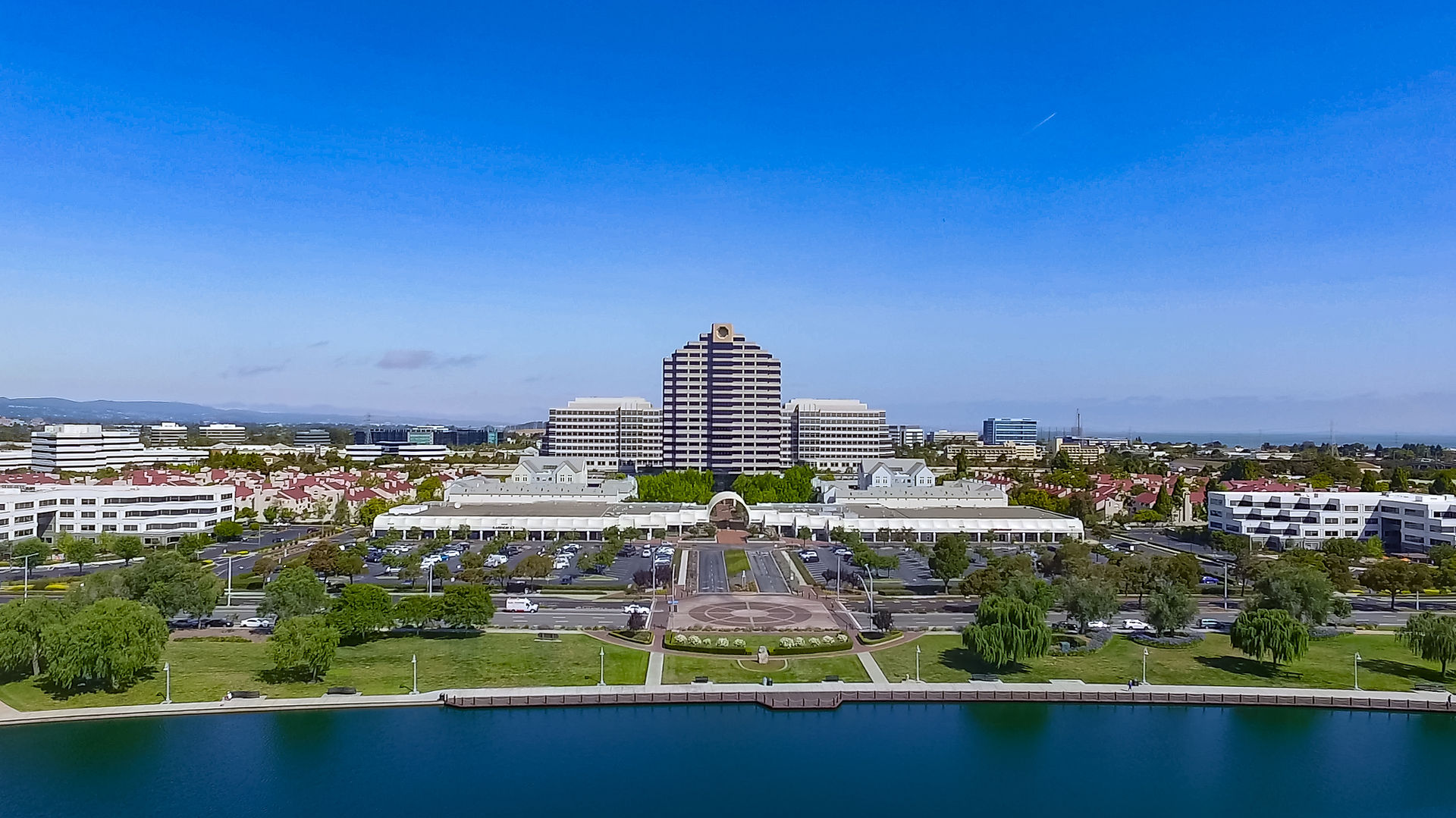
For example, a photographer shooting a mountain range can use a drone to capture sweeping panoramic views from above the peaks. This perspective highlights the scale and grandeur of the landscape in a way that ground-level shots cannot. Similarly, drones can capture intricate patterns in fields, rivers, and coastlines, revealing natural designs that are invisible from the ground.

Advantages of Using Drones in Landscape Photography
Drones offer several practical benefits that enhance the creative process and improve the quality of landscape photography:
Access to Remote Locations: Drones can reach areas that are difficult or dangerous for photographers to access on foot. This includes cliffs, dense forests, and wetlands.
Unique Perspectives: Aerial shots provide fresh viewpoints that add interest and variety to a photographer’s portfolio.
Time Efficiency: Drones allow photographers to quickly survey large areas and identify the best spots for shooting.
Cost-Effectiveness: Compared to hiring aircraft, drones are a more affordable option for aerial photography.
Versatility: Modern drones come with features like GPS stabilization, obstacle avoidance, and programmable flight paths, making it easier to capture complex shots.
These advantages make drones an essential tool for landscape photographers who want to push creative boundaries and capture stunning images.
How to Get Started with Drones for Landscape Photography
If you are new to drone photography, here are some practical steps to begin using drones for landscape photography effectively:
Choose the Right Drone: Look for drones with high-quality cameras, stable flight controls, and sufficient battery life. Popular models include DJI Mavic Air 2 and DJI Phantom 4 Pro.
Learn Local Regulations: Before flying, familiarize yourself with local drone laws and restrictions. Many regions require registration and have no-fly zones.
Practice Flying: Spend time mastering drone controls in open areas to build confidence and avoid accidents.
Plan Your Shots: Use apps like Google Earth or drone-specific mapping tools to scout locations and plan flight paths.
Use Manual Camera Settings: Adjust ISO, shutter speed, and aperture to optimize image quality in different lighting conditions.
Shoot in RAW Format: RAW files retain more image data, allowing for better post-processing.
Respect Nature and Privacy: Avoid disturbing wildlife and respect private property when flying drones.
By following these steps, photographers can safely and effectively incorporate drones into their landscape photography workflow.

Challenges and Considerations When Using Drones
While drones offer many benefits, there are also challenges and limitations to consider:
Weather Dependency: Wind, rain, and fog can affect drone stability and image quality.
Battery Life: Most drones have limited flight time, typically 20-30 minutes per battery.
Learning Curve: Operating drones requires practice and skill to avoid crashes and capture good shots.
Legal Restrictions: Regulations vary widely by country and region, and non-compliance can result in fines.
Ethical Concerns: Privacy issues and potential disturbance to wildlife must be taken seriously.
Despite these challenges, the advantages of drones for landscape photography often outweigh the drawbacks. Proper preparation and responsible use can mitigate most issues.
The Future of Landscape Photography with Drones
Drones are not just a passing trend; they are shaping the future of landscape photography. Advances in drone technology continue to improve camera quality, flight time, and autonomous features. For instance, AI-powered drones can now track subjects, avoid obstacles, and execute complex flight patterns with minimal input.
Moreover, drones enable photographers to create immersive content such as 360-degree panoramas and aerial videos. These formats offer viewers a more engaging experience and open new opportunities for storytelling.
In addition, drones are increasingly used in environmental monitoring and conservation photography. They help document changes in landscapes over time, providing valuable data for researchers and policymakers.
As drone technology evolves, landscape photographers will have even more tools to explore and capture the natural world in innovative ways.
Embracing the New Perspective
Drones have transformed landscape photography by providing access to new angles and perspectives. They allow photographers to capture the vastness and detail of natural scenes with unprecedented ease and creativity. Whether you are a professional or an enthusiast, incorporating drones into your photography can elevate your work and expand your artistic vision.
By understanding the benefits, challenges, and best practices of drone photography, you can make the most of this powerful technology. The sky is no longer the limit - it is the new canvas for landscape photography.
For more information on drone technology and photography tips, visit DJI's official website.
Explore the possibilities of drones for landscape photography and see the world from a fresh perspective.


Comments