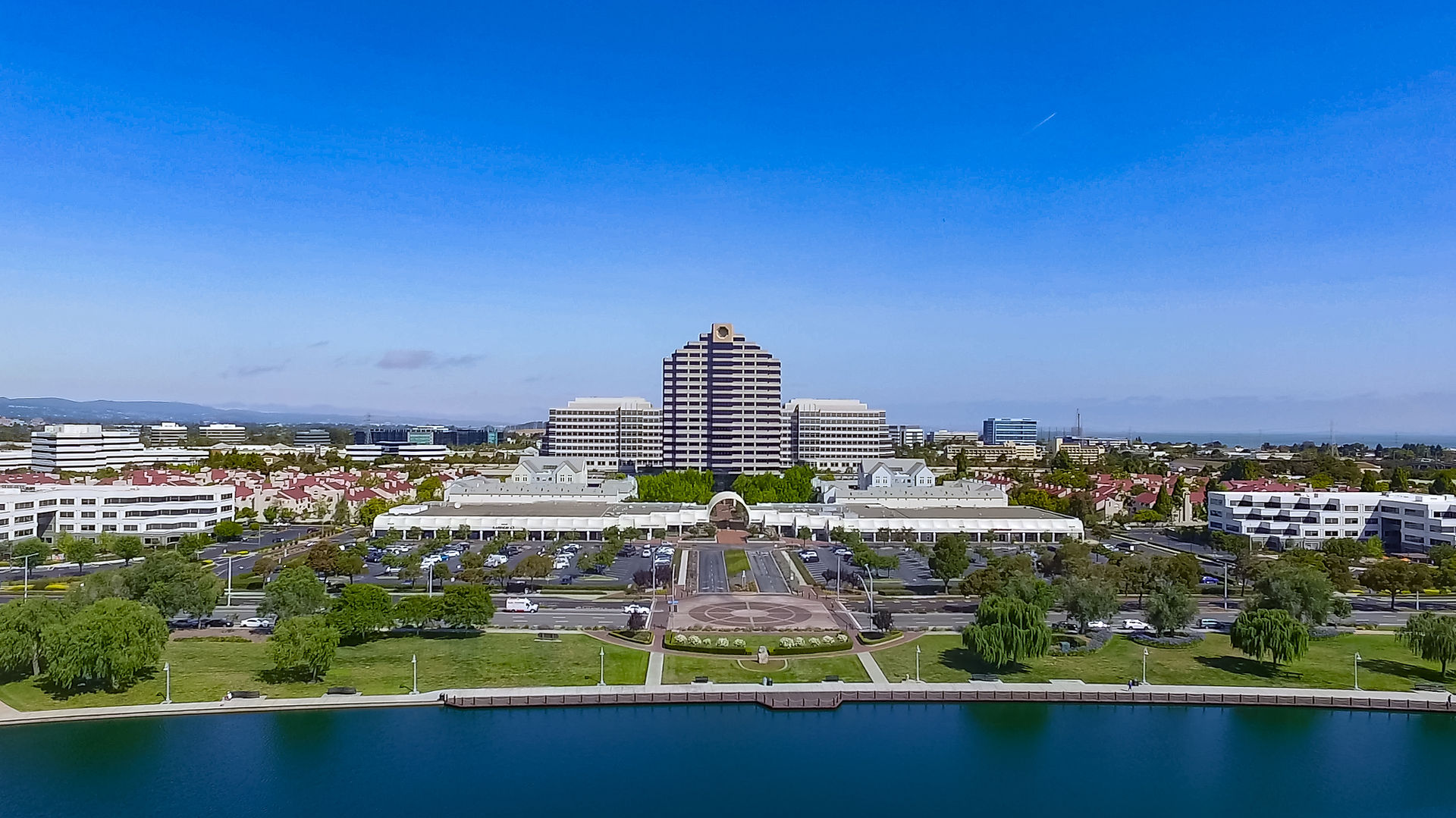
Enhance Construction Monitoring with Drone Photography
- John J

- Aug 4, 2025
- 3 min read
In the fast-paced world of construction, staying on top of project progress is crucial. Traditional monitoring methods can be time-consuming and sometimes inaccurate. This is where aerial construction imagery comes into play. Using drones to capture high-quality images and videos from above offers a fresh perspective and a host of benefits for construction professionals. This blog post explores how aerial construction imagery can transform your construction monitoring process, providing practical insights and actionable tips.
The Power of Aerial Construction Imagery in Project Management
Aerial construction imagery provides a comprehensive overview of a construction site that ground-level inspections simply cannot match. By capturing images from various angles and heights, project managers can monitor progress, identify potential issues, and make informed decisions quickly.
Some key advantages include:
Improved site visibility: Drones can access hard-to-reach areas, giving a complete picture of the site.
Real-time updates: Frequent aerial surveys allow for up-to-date progress tracking.
Enhanced safety: Reducing the need for personnel to enter hazardous zones.
Cost efficiency: Minimizing the need for expensive equipment like cranes or scaffolding for inspections.
For example, a large commercial project can use aerial imagery to track the installation of structural components, ensuring everything aligns with the project timeline. This method also helps in documenting compliance with safety regulations and environmental standards.
Best Practices for Using Aerial Construction Imagery Effectively
To maximize the benefits of aerial construction imagery, it is essential to follow some best practices:
Plan your flights carefully: Schedule drone flights during optimal weather conditions and at key project milestones.
Use high-resolution cameras: Clear images help in detailed inspections and accurate measurements.
Integrate with project management software: Sync aerial data with your existing tools for seamless workflow.
Ensure compliance with regulations: Follow FAA guidelines and local laws for drone operations.
Train your team: Equip staff with the skills to operate drones or partner with professional drone service providers.
By implementing these strategies, construction teams can enhance communication, reduce errors, and accelerate project delivery.

How much to charge for construction drone footage?
Pricing for construction drone footage varies depending on several factors. Understanding these can help you set competitive and fair rates.
Project size and complexity: Larger sites or complex projects require more flight time and post-processing.
Frequency of flights: Regular monitoring contracts may offer discounted rates compared to one-time shoots.
Image and video quality: Higher resolution and specialized imaging (thermal, 3D mapping) command higher prices.
Post-production services: Editing, annotation, and report generation add value and cost.
Travel and logistics: Remote locations or difficult access can increase expenses.
Typical pricing models include:
Per flight: Charging a flat fee for each drone session.
Hourly rate: Billing based on the time spent flying and processing.
Package deals: Offering bundled services for ongoing projects.
For example, a small residential project might cost a few hundred dollars per flight, while a large commercial site could require thousands for comprehensive coverage. It is advisable to provide clear quotes and outline what is included to avoid misunderstandings.
Leveraging construction drone photography for Enhanced Documentation
Incorporating professional construction drone photography into your project documentation can significantly improve record-keeping and stakeholder communication. High-quality aerial images serve as visual proof of progress and compliance, which is invaluable during audits or disputes.
Some practical uses include:
Progress reports: Visual updates for clients and investors.
Marketing materials: Showcasing the project’s development stages.
Quality control: Detecting defects or deviations early.
Historical archives: Maintaining a timeline of construction phases.
Partnering with experienced drone service providers ensures you get consistent, reliable imagery tailored to your project needs.

Future Trends in Aerial Construction Imagery
The technology behind aerial construction imagery continues to evolve rapidly. Staying informed about emerging trends can help you maintain a competitive edge.
3D modeling and mapping: Creating detailed site models for better planning and analysis.
AI and machine learning: Automating image analysis to detect issues faster.
Thermal imaging: Identifying heat leaks or electrical problems.
Integration with BIM (Building Information Modeling): Enhancing collaboration and accuracy.
Longer flight times and improved battery life: Allowing more extensive coverage per flight.
Adopting these innovations will further streamline construction monitoring and improve project outcomes.
Embracing Aerial Construction Imagery for Smarter Building Projects
Aerial construction imagery is no longer a luxury but a necessity for modern construction management. It offers unparalleled insights, improves safety, and saves time and money. By integrating drone technology into your workflow, you can elevate your project monitoring to new heights.
Start exploring how aerial construction imagery can benefit your next project today. Whether you choose to operate drones in-house or collaborate with professionals, the advantages are clear and impactful. Stay ahead in the construction industry by embracing this powerful tool for smarter, more efficient building projects.


Comments